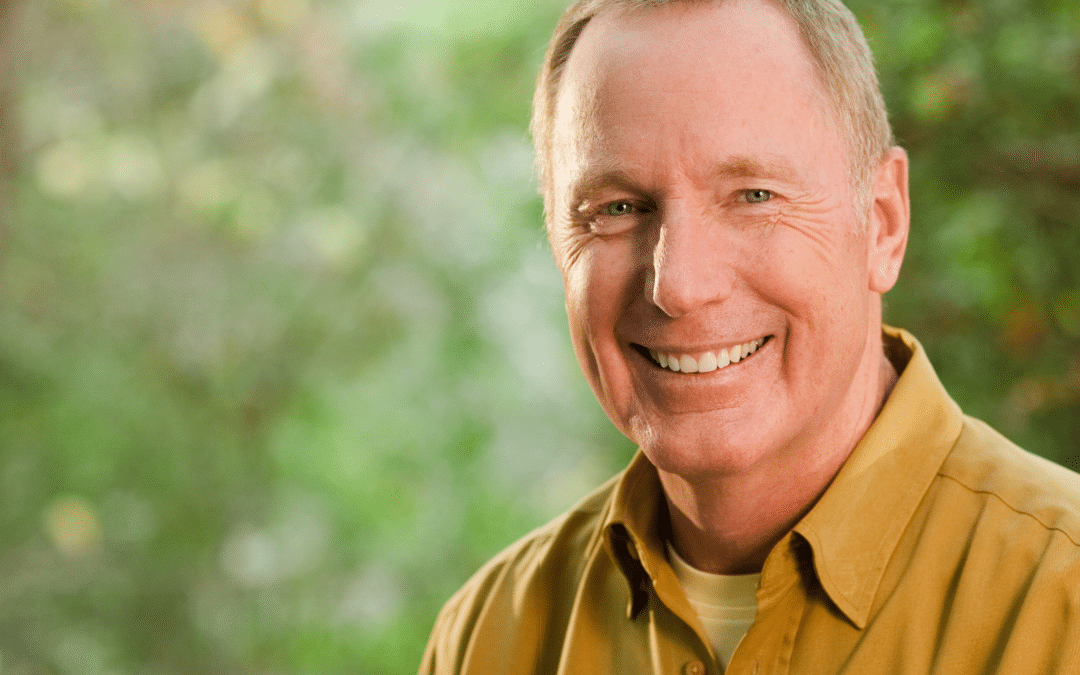
Case Study with Max Lucado & Randy Frazee at Oak Hills Church – “Make Room For Neighbors”
I first met Randy Frazee when he was the senior pastor at Pantego Bible Church in Texas and discovered our shared desire to see connection and community in the Body of Christ. We stayed in touch over the years and when he joined the staff at Oak Hills Church, we reconnected on the idea of creating a sermon-based video curriculum and church-wide campaign.
Summer is an unusual time to launch such an initiative, but the topic was based on a series called “Make Room for Neighbors” that focused on spending relaxed time together and sharing your story in a casual way—perfect for the lazy days of summer.
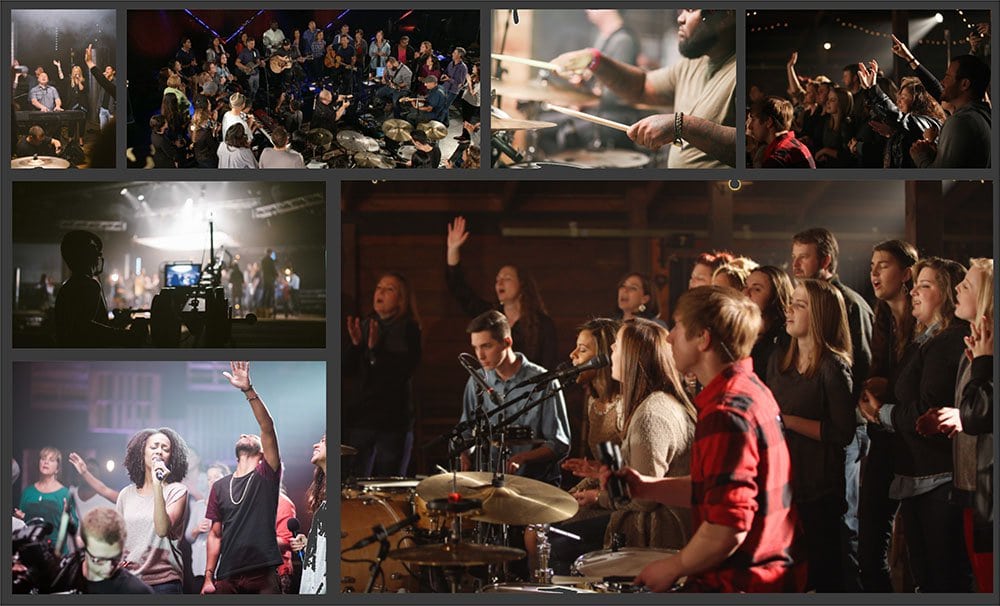
You can view the project gallery below
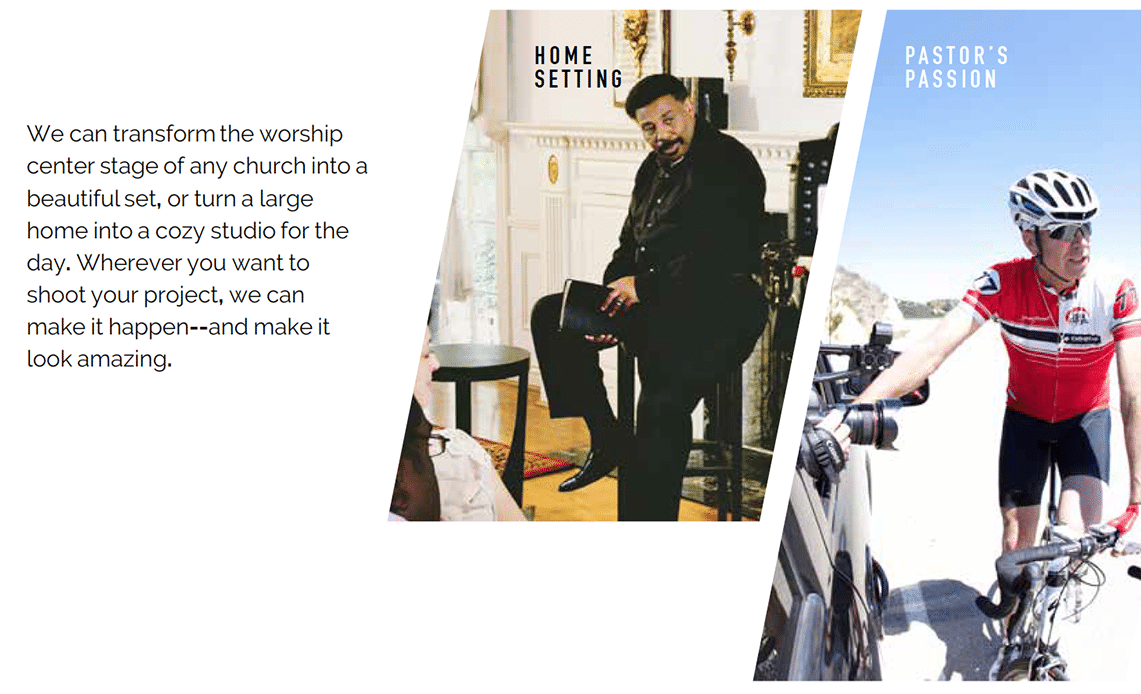
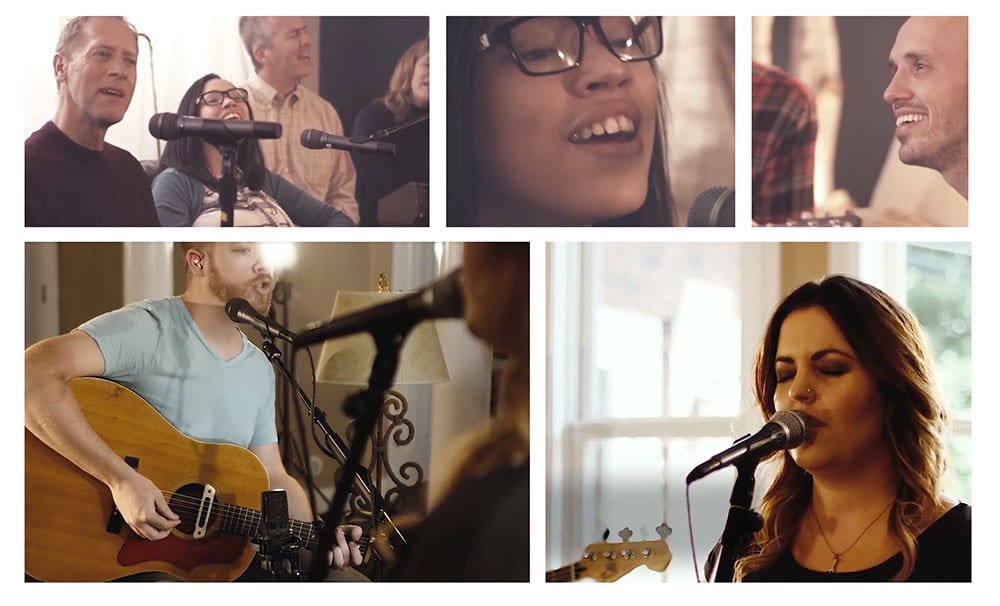
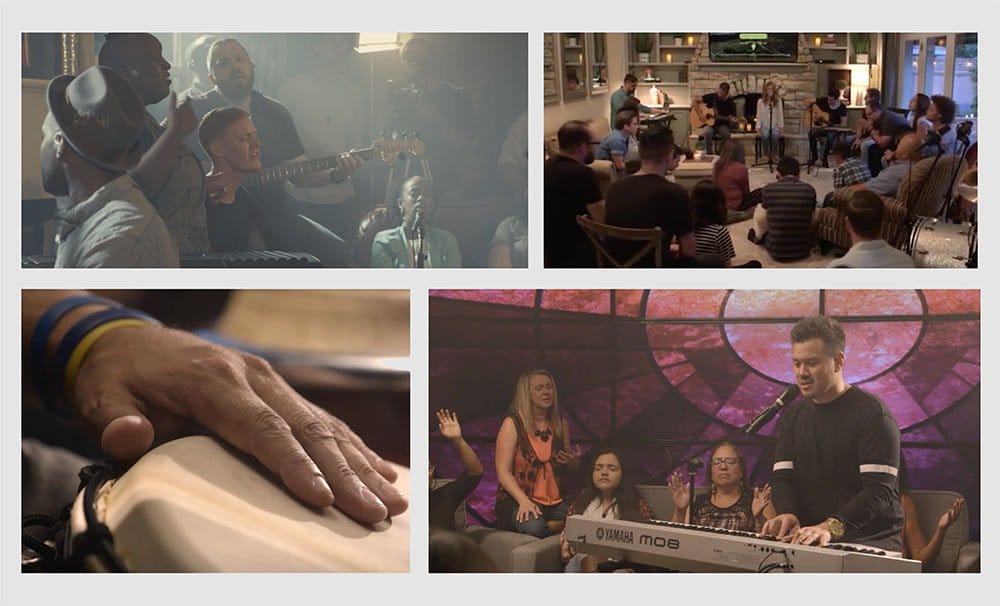
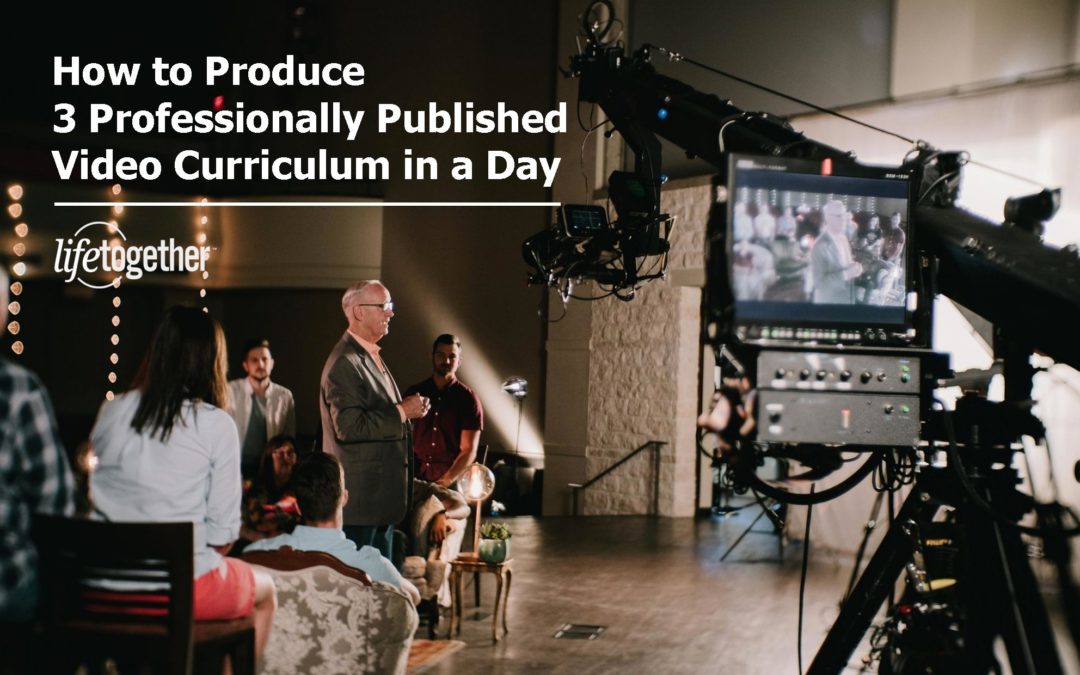
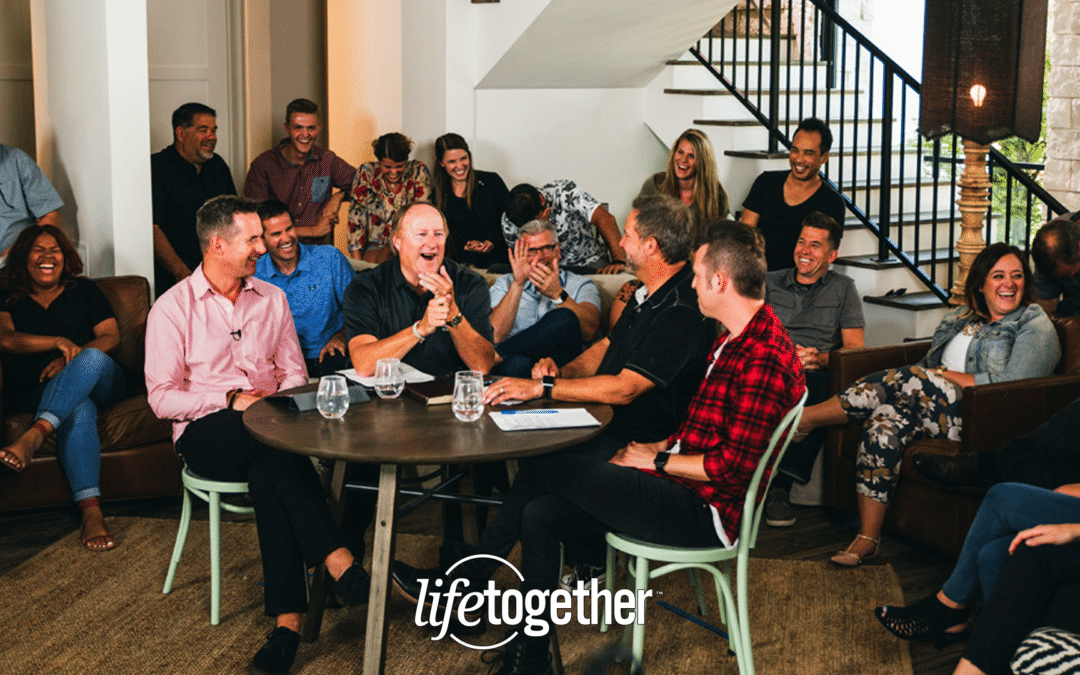
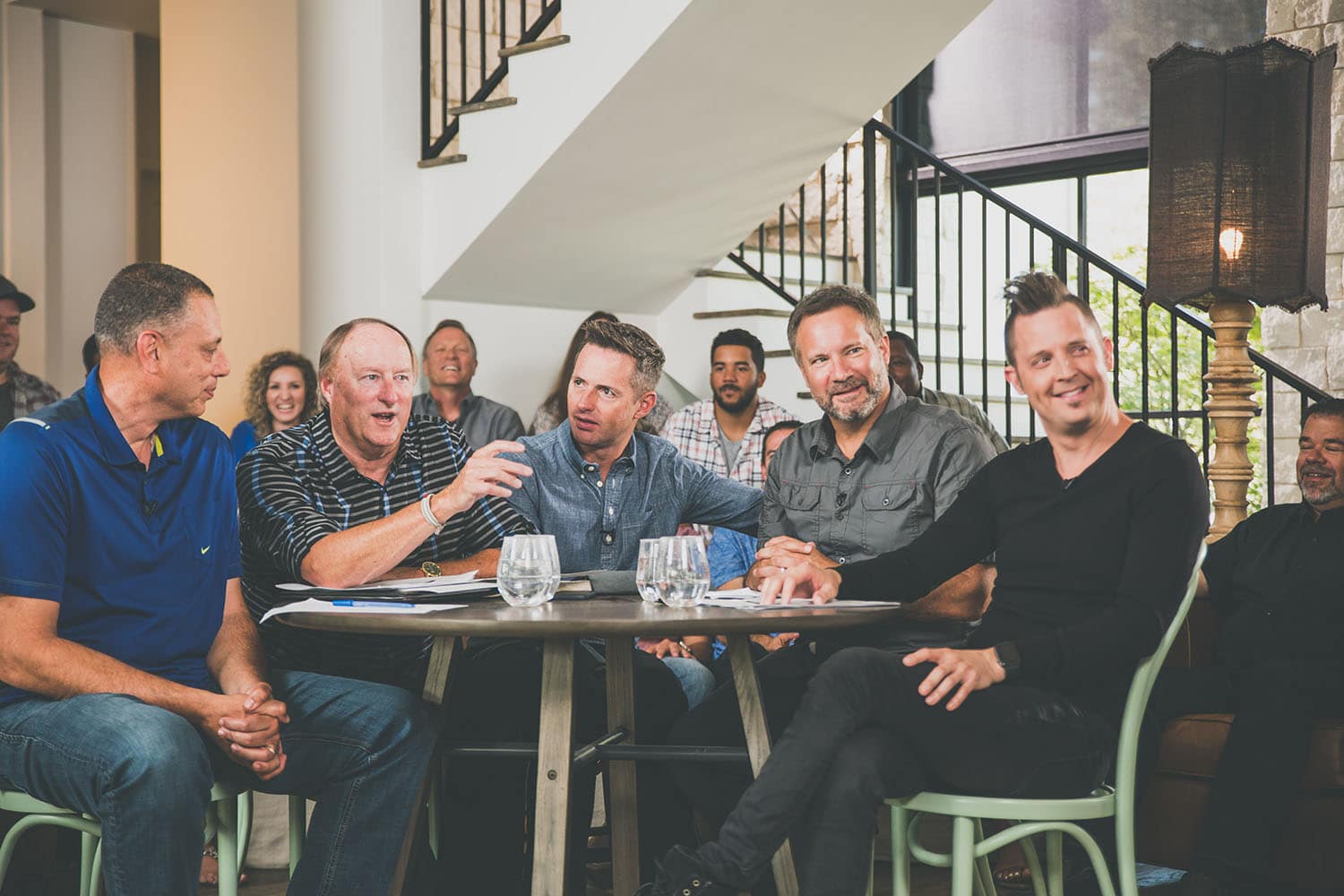
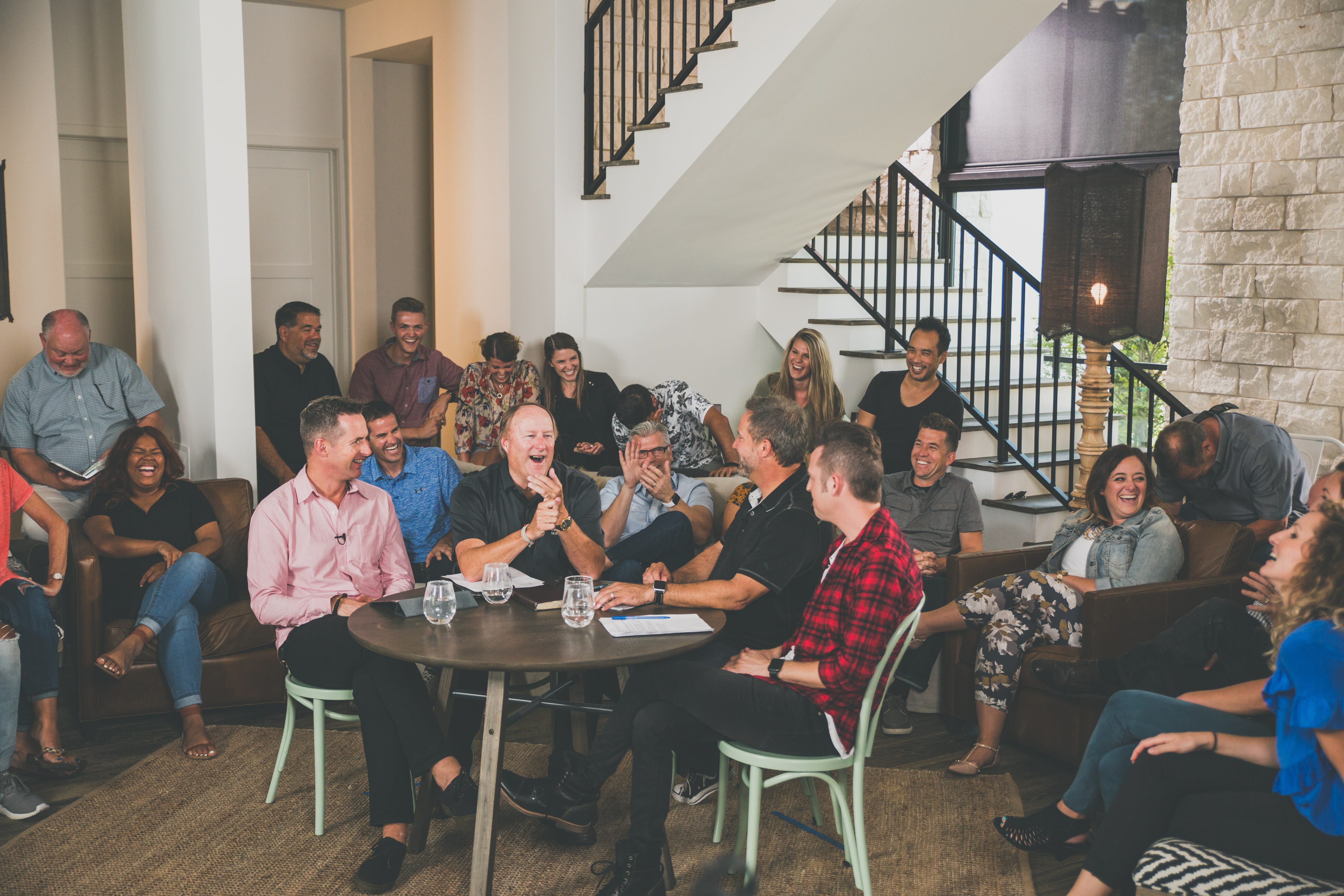
We shot the series in living rooms. Max and Randy co-taught the sessions, often joined by their wives for part of the teaching time. In each session we captured a unique testimony that aligned with that week’s focus. We also gathered in one home where Randy was able to cast the vision for his neighborhood strategy and lead a Bible study that modeled it.
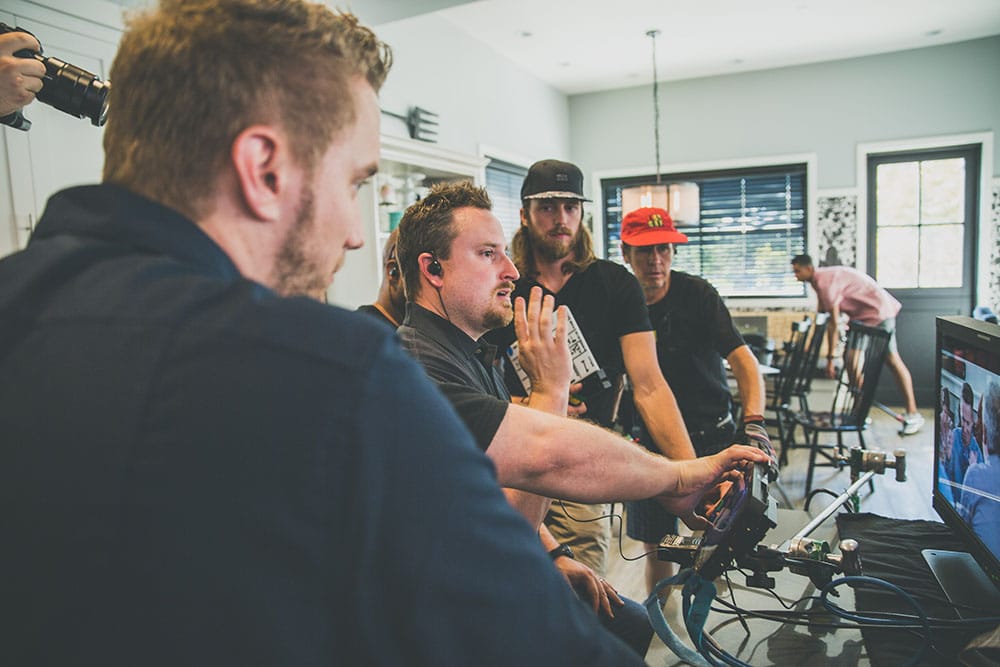
The Oak Hills staff did leadership training and opened and closed each session. We also interviewed Max and Randy separately on each session for those small group members who wanted to go deeper with that week’s theme and shot a series of promotional videos that could be played on the weekend and sent out throughout the week.
You can watch the first session below.
Of course, both Max and Randy had published books and materials for the broader church world, but this was the first campaign they did specifically for their church. Needless to say, publishers were interested in it after it was finished, and we’ve found that to be true for many of the leaders we work with.
Few months ago, I got a phone call from their team and flew back out to strategize about some of the breakthrough strategies we are doing in churches with small venue Multisites and new kind of church service called a Conversation Service which is the best of our Town Hall production with a weekend service. Oak Hills is exploring these kinds of strategies and our conversations were “over the top” exciting. Love those guys!!!!
Watch the video below to go behind-the-scenes with Max Lucado and Randy Frazee in our series “Make Room for Neighbors”.
 Gil Steiglitz, small groups Pastor at Bayside, says working with Lifetogether helped Bayside see the critical steps needed to implement a strong small groups program and create a new culture. Instead of asking “How can we get more people into groups?” Gil and his team are how asking, “How can we recruit more people to gather their friends and grow together?” The focus has shifted to hosts, with the church even creating a quick text option for people to respond that they’ll lead a group.
 Bayside Church in northern California has a strong weekend worship experience, with 15,000 to 18,000 people gathering each weekend across five campuses. However, the pace of small group development had lagged behind with “only” around 450 home groups that connected fewer than half of Bayside’s attenders. The senior leadership wanted to have as many as 1000 groups – a “stretch goal,” they said – and to create a sustainable model for moving forward. The Bayside team worked with Lifetogether in August 2016 to produce “Born for This,” a seven-week video and print curriculum campaign focusing on the book of Philippians and designed to correlate with the pastors’ weekend teaching.
 Through the partnership with Lifetogether and the coaching and insights from the Lifetogether team, Bayside has made other changes that are transforming their small groups program. In addition to recruiting new hosts, the church has also created a strong orientation and training program, with video training filmed by the Pastors as well as personal training from Brett Eastman and Dave Stewart. The Senior Pastors also prioritized small groups in a new way, with a sustained push over weekends in July, August, and September.
 Because of the church–wide emphasis on “Born for This,” other programs and Pastors are pulling together around the vision. Bayside positioned the groups as a “both/and” solution, releasing the pressure for everyone to conform. Small groups in the student ministry, men’s ministry, and women’s ministry are all growing.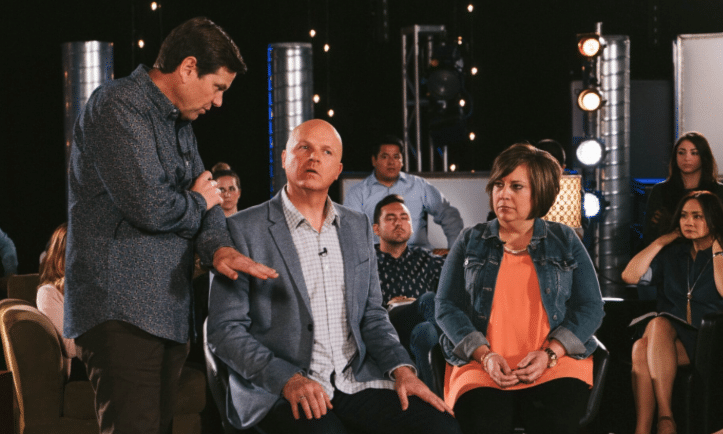
 Over the last twenty years, we’ve had the privilege of working with hundreds of the largest and fastest-growing churches in the country, including 50 of the top 100 listed in Outreach Magazine’s annual list.

 The number one event in any local church in America is the weekend service, and it requires most of the staff’s best efforts- all the more reason to leverage that experience far beyond the weekend. What if there were more and better ways to leverage the impact of the weekend sermons? What if we turned one weekend into more of a “catalyst” to next steps vs. merely a weekend event?
 The greater opportunity is to challenge any new or existing attender to continue the conversation with a friend or two with the short video segment based on the weekend sermon. If we can motivate unconnected attenders to take this step, many will grow into being a small group over time.
 When I got to Willow Creek we began hosting on-campus events to connect unconnected people – it worked but compared to what? We would have hundreds of people come and get in a group and we would hope and pray it stuck. Upon further analysis, “the sign up to show up” was embarrassing and the “stay up” was disaster.
 Letting people sign up for groups on the weekend or go online to get in a local group is not as effective for connecting people into community.
 When I served on the Saddleback staff, mid-week worship was the number one thing recommended as a next step off the weekend service. Many churches still host a mid-week service on either Wednesday night, Sunday night, or some other night of the week. But this was taken over by Saddleback by a small group experience and we eventually shut down the mid-week worship experience. Most of the growing churches we are working with now are doing the same thing.
 Hosting a “40 Day-like campaign” has long been an outstanding strategy to build momentum into the fall, new year or spring seasons in any church. There are hundreds of best-selling authors and Christian publishers with a handful of off-the-shelf campaigns to choose from.
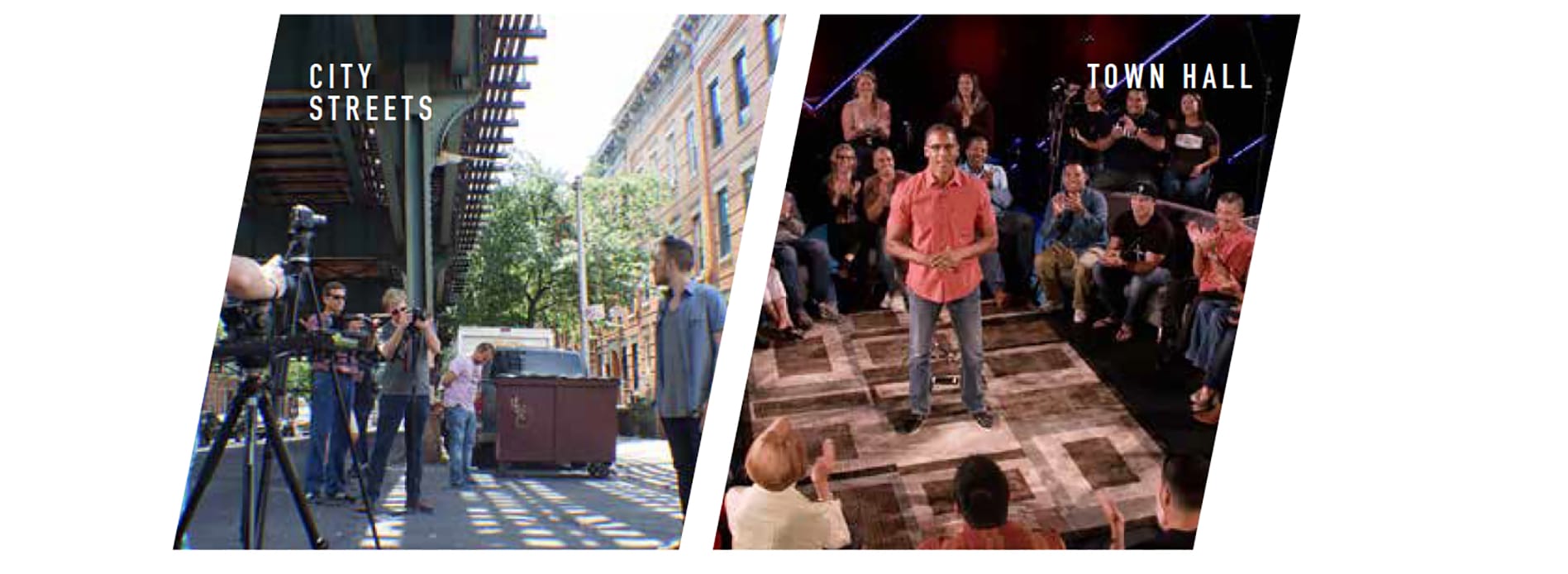
 After trying to create small groups in a church and still producing a weekend service, a new integrated model is emerging. We are calling it the “Conversation Service,” which is the best of small groups and a weekend service. This new service is not traditional, nor contemporary, but in a new conversational format that we believe will emerge as the new contemporary service in the future. The teaching is taught in the round with an audience surrounding the senior pastor. It starts like a small group with an icebreaker and some brief interaction from the audience, then proceeds with the teaching by the senior pastor, and then ends with audience interaction that is open, authentic and unplugged. We can produce this live and make it available for the small group to discuss or just produce it as a brand new curriculum format.
 Small groups driven by a video teaching experience can be the best of the resources provided by the attractional service and the integration of the best of the missional model. At Seacoast Church, Greg and Josh Surratt had a “Missional Ministry” developing but it wasn’t very comprehensive or effective in its approach. We aligned their weekend content by providing video curriculum resources and saw an exponential number of groups launch that were not just effective for assimilation but evangelism and outreach as well. We are working with a number of churches around the country that are integrating the best of both of these models.
 Over the last 25 years, we have hosted more live small group leader training sessions than anybody in the country. The initial training may include 75% of those registered but the follow-up training only has a fraction of the response. That’s why we are seeing a growing trend of producing small group leader training and volunteer training online in a variety of new formats. The clear winner is to produce a video training versus a print-only handbook. Some may simply be a video of frequently asked questions, some are taught by small group pastors and some are topical or developmental. But the most effective is a whole new approach to training.
 Over the last 25 years we have cracked a new code on how to start more groups but the constant struggle is how to sustain those groups, and we are learning a ton in this area as we work with the bleeding-edge congregations.